Blog
Bali Culture Guide: Festivals and Ceremonies You Will See Often
5 March 2026 by Seo Manager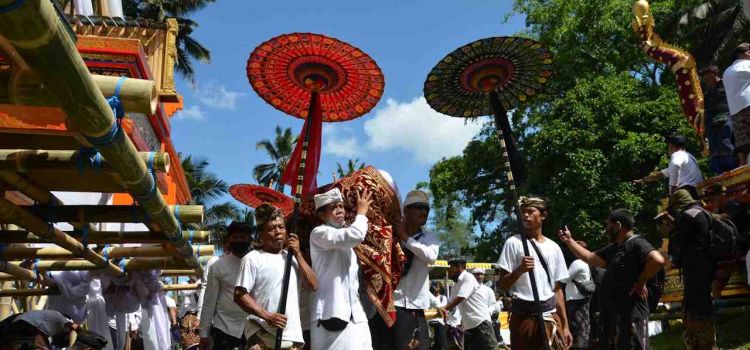
Bali continues to attract expats, digital nomads, retirees, and families who plan to stay on the island for months or even years. Drawn by the lifestyle, natural beauty, and strong sense of community, many newcomers quickly discover that daily life in Bali is shaped by traditions that go far beyond the typical visitor experience.
One of the biggest adjustments for long-term residents is understanding Balinese ceremonies. From frequent temple celebrations to island-wide events that affect traffic and daily routines, ceremonies are woven into everyday life. With the right cultural awareness and local guidance, these traditions become less confusing and far more meaningful. Through its locally rooted property and villa management expertise, Bali Coconut Living helps residents choose the right homes and neighborhoods while living comfortably and respectfully within Bali’s cultural rhythms.
Why Ceremonies Matter in Daily Balinese Life
Balinese culture is rooted in the belief of harmony between humans, nature, and the spiritual realm. This philosophy, known locally as Tri Hita Karana, explains why ceremonies are frequent and deeply meaningful.
Balinese rituals serve several purposes:
-
Honoring gods and ancestral spirits
-
Maintaining balance between visible and invisible worlds
-
Strengthening community bonds
-
Marking life events and sacred calendar days
Ceremonies influence daily routines in very real ways. You may experience:
-
Temporary road closures or traffic diversions
-
Traditional gamelan music played during the day or evening
-
Streets decorated with offerings and ceremonial ornaments
-
Increased activity around temples within residential neighborhoods
For expats unfamiliar with these traditions, the frequency of ceremonies can feel overwhelming at first. However, with basic cultural understanding, many long-term residents begin to appreciate how these rituals bring structure, beauty, and meaning to daily life. Knowledge turns inconvenience into cultural immersion.
Important Balinese Ceremonies You Will See Often
Below are some of the most important Balinese ceremonies that expats and villa residents are likely to encounter. Timing varies depending on the Balinese Pawukon and lunar calendars, so dates change each year.
1. Galungan
Galungan celebrates the victory of good over evil and marks a period when ancestral spirits are believed to return to their family homes. It takes place every 210 days and is one of the most important Balinese ceremonies. During Galungan, streets are lined with tall bamboo penjor poles, families visit temples and relatives, and villages are filled with offerings and prayer. Expats should expect heavier traffic and increased community activity throughout this period.

2. Kuningan
Kuningan occurs ten days after Galungan and signifies the return of ancestral spirits to the spiritual realm. Compared to Galungan, it is quieter and more reflective. Offerings are smaller and symbolic, and most businesses continue operating as usual. For expats, Kuningan often passes with minimal disruption while still providing insight into the spiritual rhythm of Balinese life.
3. Nyepi, Day of Silence
Nyepi marks the Balinese New Year and is observed with a complete island-wide shutdown for 24 hours. No flights operate, vehicles are not allowed on the roads, and residents and tourists must remain indoors. Lights should be dimmed at night, and noise is kept to an absolute minimum. Preparation begins several days in advance, making Nyepi one of the most impactful experiences for long-term residents.
4. Melasti
Melasti is a purification ceremony held in the days leading up to Nyepi. Sacred objects from temples are carried in large processions to the sea or lakes, where they are ritually cleansed. These ceremonies are visually striking and meaningful to witness, though expats should expect temporary road closures near beaches and coastal areas.
5. Ogoh Ogoh Parade
The Ogoh Ogoh parade takes place on the evening before Nyepi and features large demon-like statues symbolizing negative forces. These statues are paraded through villages accompanied by loud music and crowds before being ritually destroyed. It is one of the most dramatic and energetic Bali festivals, and road closures are common during the evening.
6. Saraswati Day
Saraswati Day honors the goddess of knowledge, learning, and the arts. On this day, books, musical instruments, and learning tools receive offerings, and schools often close. The atmosphere is calm and reflective, with ceremonies focused on gratitude for wisdom rather than large public celebrations.
7. Pagerwesi
Pagerwesi is a ceremony dedicated to spiritual protection and inner strength. It is more private and family focused, with prayers held at homes and temples. For expats, Pagerwesi usually causes little disruption to daily routines while offering a deeper understanding of personal spirituality in Balinese culture.
8. Ngaben, Balinese Cremation Ceremony
Ngaben is the Balinese cremation ceremony and represents the release of the soul from the physical body. It is a major rite of passage that involves large community participation, colorful processions, and traditional music. While traffic may be affected, Ngaben ceremonies are generally open to respectful observation and are considered one of the most significant Hindu ceremonies in Bali.
9. Odalan, Temple Anniversary
Odalan is the celebration of a temple’s anniversary and occurs every 210 days for each temple. Because Bali has thousands of temples, odalan ceremonies take place constantly across the island. These events can last several days and include music, offerings, and communal gatherings, often bringing lively activity to residential areas near temples.
10. Tumpek Kandang
Tumpek Kandang is dedicated to honoring animals and acknowledging their role in human life. Pets and livestock receive blessings and offerings, reflecting the Balinese belief in harmony between humans and nature. This ceremony is generally quiet and does not significantly disrupt daily activities.
11. Tumpek Landep
Tumpek Landep focuses on blessing metal objects such as cars, motorbikes, and tools. Many residents decorate their vehicles with offerings, and short ceremonies are held at homes and businesses. For expats, it is a visually interesting tradition that highlights the spiritual importance placed on everyday objects.

12. Weddings and Tooth Filing Ceremonies
Weddings and tooth filing ceremonies are essential rites of passage in Balinese society. Tooth filing symbolizes maturity and the control of negative traits, while weddings are deeply ceremonial community events. Foreigners are often invited to attend, and such invitations are considered a sign of respect. Observing proper dress codes and behavior is especially important during these occasions.
What You Should Do and Avoid During Ceremonies
Living respectfully within Balinese communities requires awareness and sensitivity. Ceremonies are an essential part of daily life, and understanding basic etiquette helps expats feel more comfortable while showing respect for local customs.
What to do:
-
Wear modest clothing when near temples or ceremony areas, covering shoulders and knees
-
Use a sarong and sash if attending ceremonies or entering temple grounds
-
Follow instructions from local hosts or community leaders when invited to participate
-
Be patient and flexible with traffic changes and temporary road closures
What to avoid:
-
Stepping over offerings placed on the ground, as they are considered sacred
-
Touching ceremonial items or decorations without permission
-
Loud behavior, music, or phone use near temples during ceremonies
-
Entering restricted temple areas that are not open to visitors
Understanding these simple guidelines helps expats integrate smoothly, avoid unintentional offense, and show respect for Bali cultural traditions while living within local communities.
Also read: Bali Community Guide for Expats and Long-Term Residents
Living Near Temples and Community Centers
Living close to a temple offers a unique cultural experience. Many residents enjoy the sense of connection and rhythm that ceremonies bring.
What to expect:
-
Regular ceremonies throughout the year
-
Music and chanting, sometimes at night
-
Streets decorated with offerings and bamboo poles
-
A strong sense of community presence
However, this lifestyle is not for everyone. Some prefer quieter neighborhoods with fewer ceremonies nearby. Bali Coconut Living helps residents choose villas based on their comfort level, whether you seek cultural immersion or a more peaceful setting.
A More Meaningful Way to Live in Bali
Balinese ceremonies are not just cultural events. They are the foundation of daily life, community connection, and spiritual balance on the island. For expats and long-term residents, understanding these traditions transforms Bali from a place you stay into a place you truly belong.
Choosing the right villa location makes a significant difference in how you experience Bali. With the right balance, you can enjoy rich cultural traditions while maintaining comfort and privacy.
Looking for a villa in a welcoming community where you can enjoy Bali’s rich traditions? Contact Bali Coconut Living to find the ideal long-term rental that matches your Bali lifestyle with cultural awareness and comfort.
People Also Ask
What are the most important ceremonies in Bali?
Some of the most important ceremonies include Galungan, Kuningan, Nyepi, Ngaben, and Odalan.
Why are there so many ceremonies in Bali?
Balinese Hinduism integrates spirituality into everyday life. Ceremonies maintain harmony between people, nature, and the spiritual world.
Can tourists or foreigners attend Balinese ceremonies?
Yes. Many ceremonies welcome visitors as long as they dress respectfully and follow local guidance.
What should you wear during temple ceremonies?
A sarong, sash, covered shoulders, and modest clothing are required.